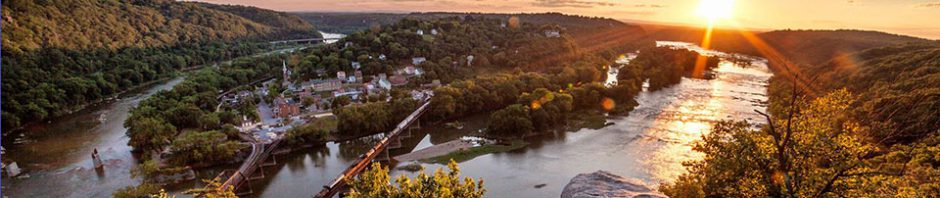
Death Valley is located near the border of California and Nevada. It is situated within the Mojave Desert and it is the lowest, hottest, and driest place in North America. Death Valley has long, extremely hot summers with little to no rainfall. In fact, in 1929 and 1953 there wasn’t a drop of rain recorded! The highest temperature ever recorded was in the summer of 1913 at a whopping 134 degrees and the lowest being 107 degrees in the summer of 2012. It’s a long, narrow valley sitting about 300 feet below sea level and walled in by high, steep mountain ranges. The old saying, used by the mob, “once you get in, you never get out”, is especially true in this valley.
But there is life and there is beauty in this valley…millions of wildflowers will occasionally spring to life. It is very rare but it does happen. “The flowers seem to emerge out of nowhere, but in truth, the seeds of these blooms are always hidden on the desert floor, just waiting for the right amount of sunlight and rainfall before sprouting.” (Brian McMahon). 
I’m writing this blog in the midst of one of the lowest, hottest, and driest places in my life. Yet, I know that as I walk through Death Valley it requires me to take my own “death step” and release all of my questions, fears, doubts, dreams, goals, and ambitions to my Shepherd. That ole shepherd’s crook has been down many paths. It is seasoned and well worn. He can be trusted!
The area was named by a woman in 1849. That was the year after gold was discovered in California. Thousands of people from other parts of the country traveled to the gold mining areas in California. They were in a hurry to get there before other people did.
Many people were not careful. They made bad choices or wrong decisions. One group trying to reach California decided to take a path called the Old Spanish Trail. By December they had reached Death Valley. They did not have to survive the terrible heat of summer, but there was still an extreme lack of water. There were few plants for their work animals to eat.
The people could not find a pass through the tall mountains to the west of the Valley. Slowly, they began to suffer from a lack of food.
To survive, they killed their work animals for food and began to walk out of the Valley. As they left, one woman looked back and said, “Good-bye, death valley.” (VOAnews.com)
One day we will be able to look back on our valley experiences and say “good-bye, death valley.” But, oh, the stories that we will have accumulated through those valley’s and the scars that come with them will bring encouragement to those going through their own valley’s. Then one day the refreshing rains will come and we will be able to soak it all in and we will say, “it was well worth the journey through death valley.”





 The Journey